Eunomia Report: Greenhouse gas and air quality impacts of incineration and landfill
This briefing paper summarises the key findings of the Eunomia report NTN commissioned –...
Read More
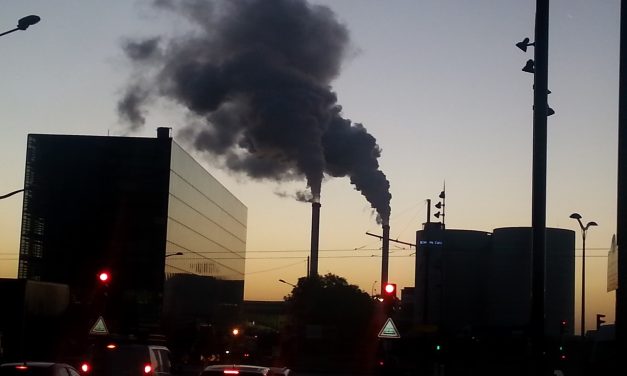
This briefing paper summarises the key findings of the Eunomia report NTN commissioned –...
Read More
The IPEN General Assembly elected National Toxics Network’s Dr. Mariann Lloyd-Smith to...
Read More
Escalating Chemical Production Threatens Aquatic Food Chain NTN and IPEN have released a new...
Read More
Authoritative Reports Shows Plastics and Microplastics are Pervasive Sources of Exposure to...
Read MoreBusiness as usual is not an option if we’re to save our oceans and its inhabitants from fast...
Read More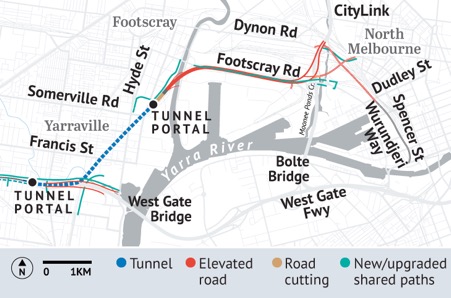
A large quantity of contaminated soil is proposed to be moved from the West Gate tunnel site in...
Read More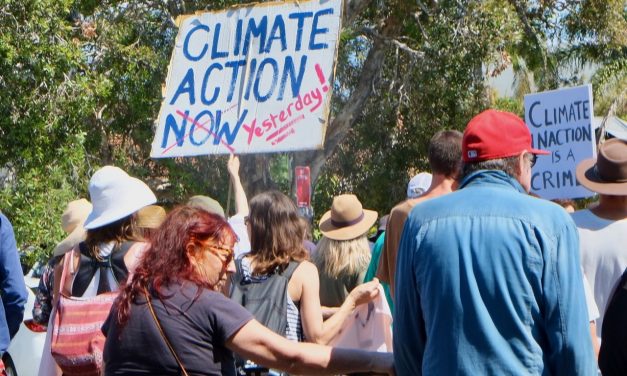
The global upwelling of citizen action on the climate emergency and the opportunities it presents...
Read MoreThe Prime Minister’s announcement and COAG support for a ban on waste exports should be cautiously welcomed and is long overdue following the embarrassing revelations of Australian illegal waste dumping in South East Asia....
Read More
Marine pollutants are impacting the health of our oceans, their inhabitants and those dependent on...
Read More
We the undersigned, demand an immediate end to Government subsidies and finance for all waste to...
Read More
The protection of our environment is a vital part of contemporary human rights doctrine as it...
Read More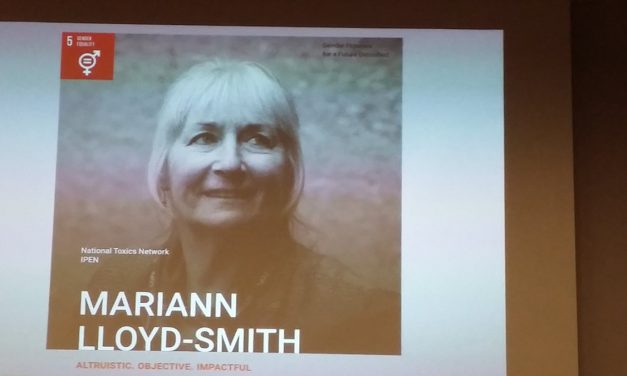
National Toxics Network congratulates Mariann on receiving the award for ‘UN Gender Pioneer for...
Read More